How Service Dog Training Programs Transform Lives Inside and Outside Prison Walls
Updated on 12/30/2025
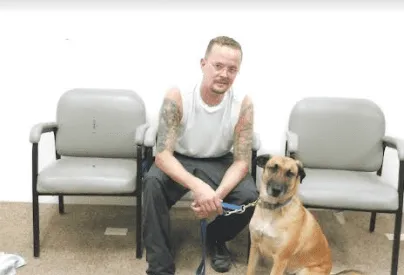
Photo caption: Geoffrey Banks, currently incarcerated in Ohio, works with a service dog in training. His experience reflects the quieter, often unseen impact of these programs—where daily care, patience, and responsibility help foster empathy, calm, and a renewed sense of purpose.
Across the country, an inspiring form of rehabilitation is quietly unfolding behind prison walls. Programs that allow incarcerated individuals to train service dogs are creating a powerful chain of healing—one that begins with the trainers themselves and extends outward to families, veterans, children, and people with disabilities in communities across the nation.
These programs demonstrate how meaningful responsibility and compassion can flourish even in restrictive environments, offering incarcerated individuals a chance to rebuild confidence and purpose while preparing dogs to support people in need.
A Source of Healing for Incarcerated Individuals
Many people enter the prison system carrying deep emotional burdens—trauma, loss, and instability that often go unaddressed. Working with a dog offers something rare: a chance to form a bond built on trust, patience, and steady companionship.
The presence of a dog in a correctional setting can create moments of calm and connection. Over time, caring for another living being helps individuals strengthen emotional regulation, empathy, and accountability. For many, training a dog becomes the first time in years they feel genuinely needed.
Skills That Extend Beyond the Prison Environment
Service dog training requires structure, communication, and consistency. Trainers learn how to guide and encourage without force, developing patience and problem-solving skills that translate directly to life beyond incarceration.
These lessons often support successful reintegration after release. Participants frequently describe increased confidence, self-discipline, and a renewed sense of direction—qualities that help reduce recidivism and strengthen relationships.
Impact Outside the Prison Walls
The effects of these programs reach far beyond correctional facilities. Every dog trained inside eventually goes on to support someone in need.
- Some assist veterans living with PTSD, helping ground them during panic episodes.
- Others provide comfort and routine for children on the autism spectrum, or independence for individuals with mobility challenges or chronic medical conditions.
- Families often describe these dogs as life-changing, bringing stability, safety, and hope into their daily lives.
In many programs, incarcerated trainers also work with rescue dogs that once faced uncertain futures. These animals gain trust and training, while the trainers gain pride in knowing they helped save a life.
A Cycle of Restoration
What begins with a single dog often grows into a story of collective healing. The dogs learn to serve. The trainers learn to grow. And the people who receive these dogs experience support that can change the course of their lives.
Programs like these show that rehabilitation rooted in responsibility and compassion can create lasting impact—inside prison walls and far beyond them.
Want to learn more about life behind the walls—and the real stories of the people living it? Visit PrisonFriendship.com, a resource focused on building connection, understanding, and insight into incarceration.